
DIY Pet Toys for Mental Stimulation at Home
Mental stimulation prevents boredom in pets and reduces destructive behavior like chewing furniture or excessive self grooming. Dogs and cats left unstimulated for more than eight hours a day often show signs of stress or anxiety, especially in small apartments. Homemade toys made from socks, cardboard tubes, or old towels can offer hours of engagement and promote problem solving even for older animals. Puppies and kittens typically need new challenges every few days, while adult pets may revisit the same puzzle if it is complex enough. A crumpled paper ball or a box with hidden treats can be just as effective as store bought toys, provided the materials are safe and free of loose parts. Larger pets, including some rabbits or parrots, benefit from tougher objects that require shredding or manipulation.
How do homemade toys challenge pets
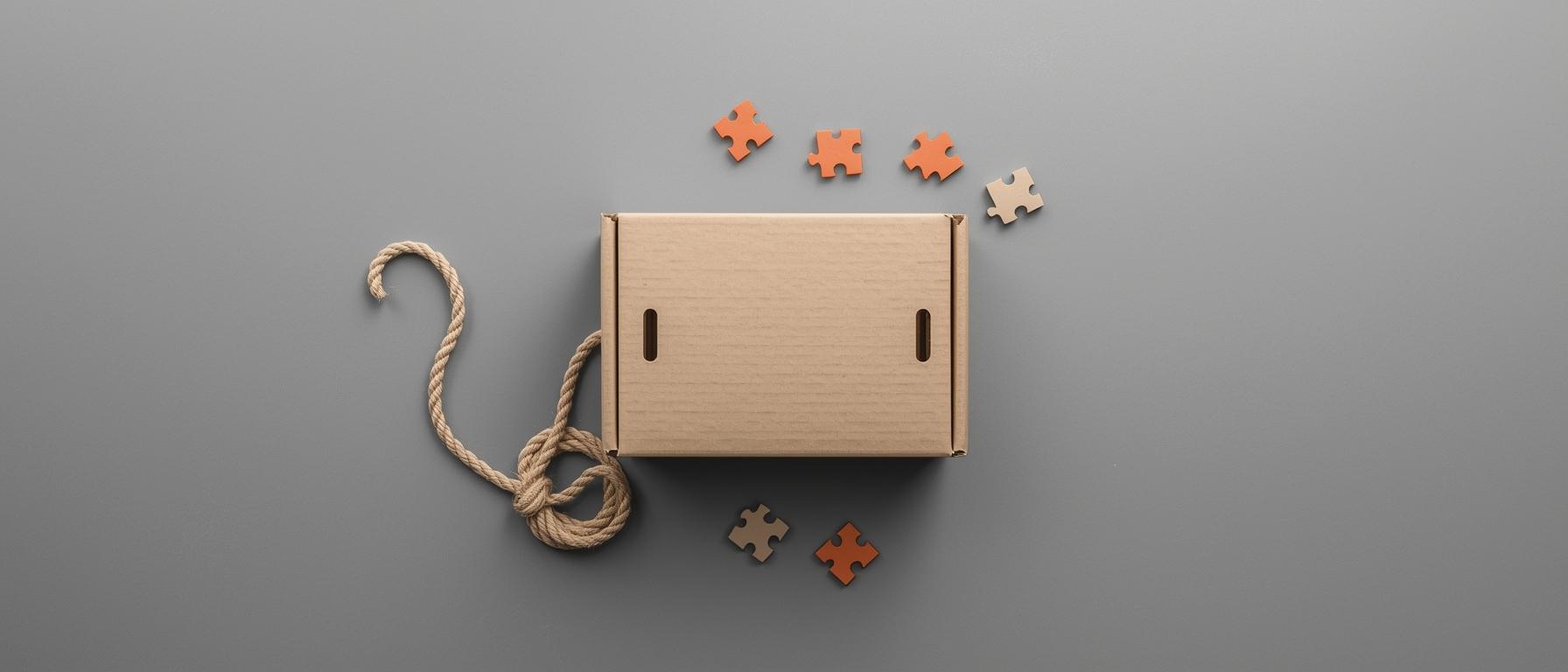
Puzzle feeders built from household items can turn mealtime into an engaging challenge for dogs and cats. Unlike most store versions, homemade toys can be tailored to a pet’s habits, introducing fresh puzzles that adapt as the animal learns. This flexibility means pets often stay interested longer, reducing boredom and destructive behaviors.
Puzzle toys from everyday items
Pets often ignore expensive toys in favor of novel objects found at home. Everyday items offer unexpected opportunities for mental activity because they are unpredictable and can be reconfigured. Several household materials can be combined in specific steps to create puzzle toys that challenge problem solving:
- Take a cardboard tube from a finished roll of paper towels and fold one end shut, then drop a few treats or small pieces of kibble inside before closing the other end.
- Cut small holes along the sides of the tube, just large enough for the treats to fall out if the tube is rolled or tossed by a paw or nose.
- Fill an empty plastic bottle with a handful of dry food, then screw the cap on loosely or drill a few holes in the sides so food spills as the bottle rolls unpredictably.
- Place a tennis ball in a muffin tin and hide treats under a few of the balls, forcing the animal to lift or nudge the balls aside to access the food.
- Stack plastic cups upside down and hide a treat under one of them, then shuffle the cups and encourage the pet to find the right one by scent or trial and error.
Forgetting to supervise can lead to swallowed parts or frustration from toys that are too difficult. Choosing objects that cannot splinter or be chewed apart easily helps keep the experience safe and positive.
Interactive play for different species
Dogs, cats, and small animals process environmental cues through different senses, so a toy that fascinates one often leaves another indifferent. The tactile, auditory, and scent-driven elements of a homemade toy can be tuned to species-specific instincts, making playtime more engaging and less predictable.
| Species | Typical Toy Material | Interaction Style | Mental Challenge | Risk Factor |
|---|---|---|---|---|
| Dog | Braided cotton rope | Tug and retrieve with treats hidden inside knots | Pattern recognition and scent tracking | Swallowed fibers lead to digestive blockage |
| Cat | Cardboard tube with holes | Batting and fishing for treats or feathers | Precision paw use and visual hunting | Loose adhesives can irritate skin |
| Rabbit | Untreated willow sticks | Chewing and rolling, treats hidden inside | Object manipulation and foraging | Splinters cause mouth injury |
| Parrot | Paper cups stacked with nuts | Shredding, puzzle solving by removing layers | Sequential problem solving | Ink residue is toxic |
| Hamster | Toilet paper roll maze | Crawling and scent trail following | Spatial mapping and memory | Tight spaces trap limbs |
| Ferret | Plastic ball with bells | Chasing and burrowing through tubes | Auditory discrimination and tunnel navigation | Small parts can be ingested |
Inappropriate toy design can cause stress, injury, or even fatal accidents, especially for animals with strong chewing or burrowing habits. Choosing materials and play styles that match the animal's natural problem-solving behaviors keeps both mind and body safe.
Homemade toys consistently push pets to adapt and think through new problems, keeping their minds active and sharp. Changing materials or layouts regularly increases the benefit, ensuring the mental boost doesn’t fade as pets master familiar games.
What risks should I watch out for
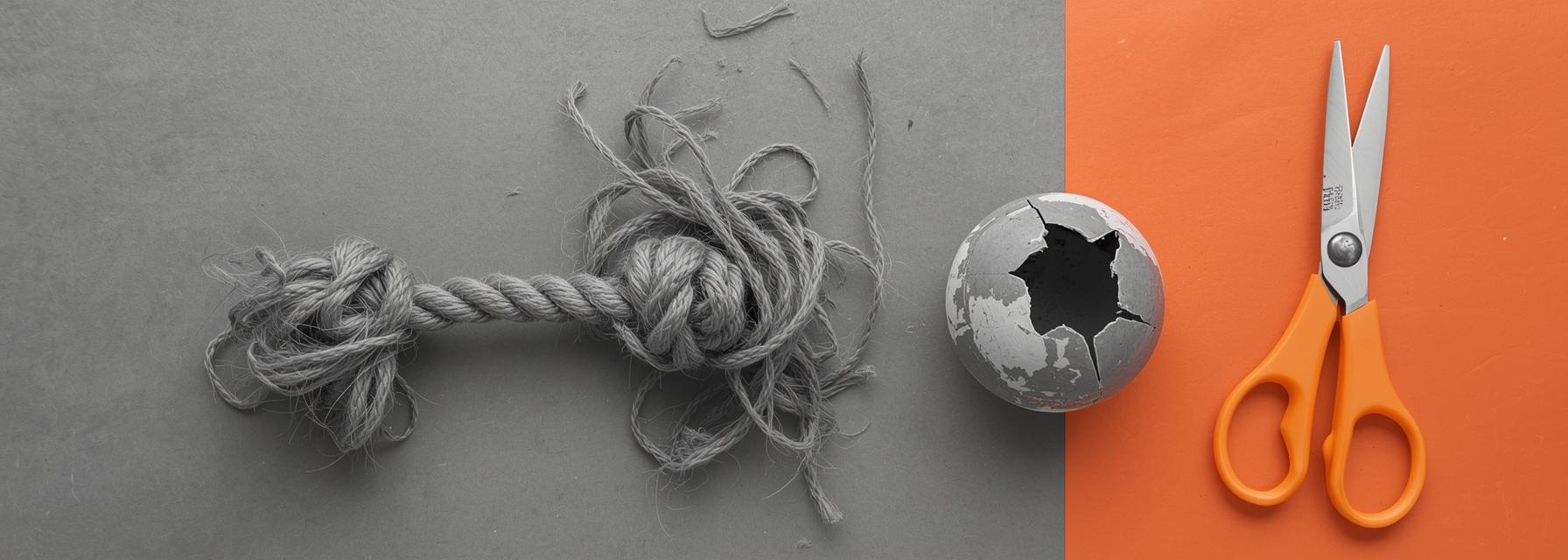
Small parts, loose threads, and brittle plastic pose real dangers in homemade pet toys. Pets can swallow or choke on broken pieces or unravelled fabric, especially when left unsupervised. Toxic glues, dyes, and certain plastics may also leach chemicals if chewed or licked repeatedly.
A tennis ball with a split seam can quickly unravel, exposing a rubber core that becomes a choking hazard for dogs. Cotton string in a homemade cat toy can get stuck in the gut if swallowed, sometimes requiring surgery. Even a button used for decoration can end up lodged in a pet’s throat during play.
Every toy should be inspected for sharp edges, weak seams, and detachable parts before play begins. Squeeze and tug on each section to check how easily it comes apart. Toys showing wear, fraying, or missing pieces need to be repaired or discarded immediately.
Why some pets ignore homemade toys
Some pets turn away from handmade toys, even when others in the same household engage with them. Differences in breed instincts, individual motivation, or sensory preferences often shift what captures attention. Several factors decide if a homemade puzzle or plush will become a favorite or gather dust:
- Material texture – rough fabrics may irritate sensitive paws or mouths
- Scent perception – toys carrying household odors can deter scent-focused dogs or cats
- Noise features – crinkly or bell-filled toys may stress noise-averse pets
- Reward type – lack of hidden treats or inconsistent rewards discourages persistent play
- Complexity level – toys that are too easy or difficult lead to frustration or boredom
Overlooking these mismatches can leave pets under-stimulated, leading to destructive habits or withdrawal. Rotating different toy styles and observing response patterns reveals which factors encourage interaction for each animal.